Reformation Conference Cebu logo RefCon Cebu

Tag: Doctrine of God

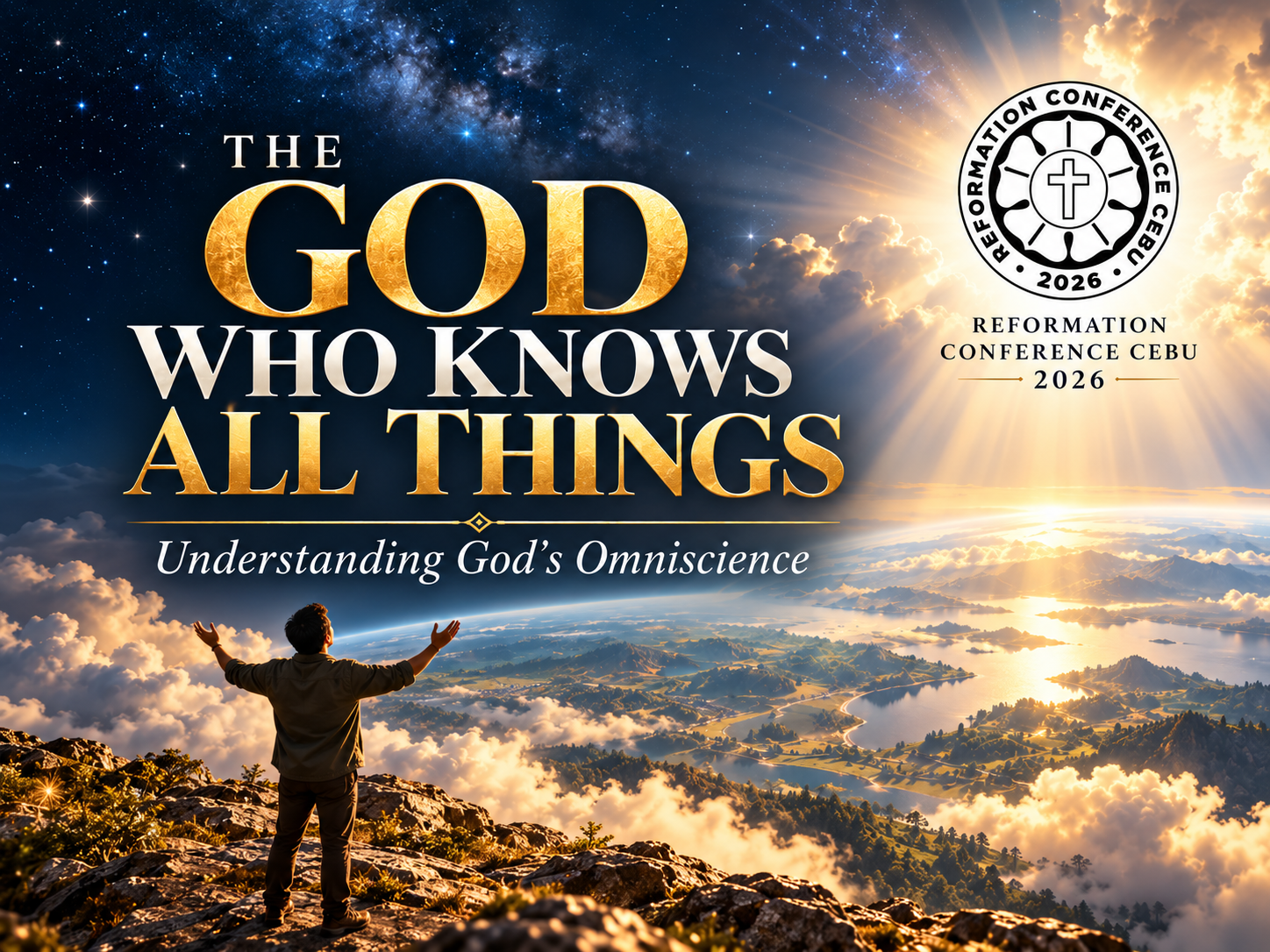
  • The God Who Knows All Things: Understanding God’s Omniscience – (Breakout Session overview)

    The God Who Knows All Things: Understanding God’s Omniscience – (Breakout Session overview)

    Have you ever wondered, “Is there anything about me that God does not know?”

    He knows our thoughts before we speak, our struggles that no one else sees, our failures we try to hide, and even the desires deep within our hearts. Nothing is hidden from His sight, nothing escapes His knowledge, and nothing ever surprises Him.

    God’s omniscience means that He knows all things perfectly, eternally, and without limitation. He does not learn, discover, or gain new information. His knowledge is infinite and infallible. As Psalm 139 teaches, God knows our thoughts, words, actions, and hearts completely: “Even before a word is on my tongue, behold, O LORD, you know it altogether” (Psalm 139:4).

    This is also why the Reformed tradition has always connected God’s perfect knowledge with His sovereign rule over all things. God does not simply look ahead through history and discover what will happen. He knows the end from the beginning because all things stand before Him and unfold according to His eternal wisdom and purpose.

    John Calvin strongly rejected the idea that God merely watches history from a distance. Speaking of divine providence, Calvin wrote that “nothing happens but what he has knowingly and willingly decreed.” For Calvin, God’s knowledge is not the passive observation of a distant spectator. The God who perfectly knows His creation is also the God who wisely and sovereignly governs it.

    This truth reminds us of God’s infinite wisdom and sovereignty, teaching us to trust Him even when we cannot understand our circumstances. What is confusing to us is never confusing to God. What appears unexpected to us has never taken Him by surprise. As creatures, our knowledge is limited, fragmented, and dependent. God’s knowledge is perfect, eternal, and independent.

    This should humble us.

    We cannot hide our sins behind appearances, excuses, or carefully constructed images of ourselves. Hebrews 4:13 reminds us that “nothing in creation is hidden from his sight.” God sees us as we truly are. His omniscience therefore calls us to live with humility, holiness, repentance, and integrity before Him.

    Yet God’s perfect knowledge is not only a reason for reverence. For those who belong to Christ, it is also a profound source of comfort.

    The God who knows all things knows every sorrow we carry, every temptation we face, every prayer we struggle to express, and every burden that others may never see. He knows our weaknesses better than we know them ourselves. And still, according to His grace, He has set His love upon His people.

    The Reformers repeatedly directed troubled consciences away from confidence in themselves and toward the promises of God in Christ. Our comfort does not rest in how well we understand ourselves, how strongly we hold on to God, or how perfectly we can explain His purposes. Our comfort rests in the God who knows His own, keeps His promises, and accomplishes His saving purposes in Jesus Christ.

    Ultimately, God’s omniscience points us to Christ. The God who knows every hidden sin has provided the Savior who bears the guilt of His people. Through Christ, we do not need to flee from the all-knowing God; we may draw near to Him. In Christ, sinners are forgiven, reconciled, and welcomed into the presence of the very God before whom nothing is hidden.

    There is therefore something deeply comforting about being completely known by God.

    He knows the sins we confess.
    He knows the struggles we cannot explain.
    He knows the suffering no one else sees.
    He knows our beginning and our end.
    And He knows perfectly how His purposes will be accomplished.

    Because God knows us completely, we can live honestly before Him, trust His wisdom when we cannot understand His ways, and rest in His sovereign grace.

    The God who knows all things is the God who rules all things and, in Jesus Christ, He is the God in whom His people may confidently rest.


    The reality of God’s omniscience is not merely a theological doctrine to be discussed; it confronts us with profound questions about God’s infinite knowledge, wisdom, sovereignty, and our own lives before Him. What does it mean that God knows all things perfectly and eternally? Does God merely foresee what will happen, or is His perfect knowledge inseparably connected with His sovereign purposes? How should we live knowing that every thought, word, action, and even the deepest intentions of our hearts are fully known to Him? And how can this truth, which should fill us with reverence and humility, also become a source of profound comfort and assurance?

    If this short article has stirred in you a desire to explore more deeply the nature of God’s omniscience, His eternal and exhaustive knowledge of all things, and the relationship between His perfect knowledge, sovereign providence, and our daily lives, continue the journey with us at Reformation Conference Cebu 2026. When selecting your breakout session, choose: DIVINE OMNISCIENCE.

    Explore how Scripture, understood through the rich theological heritage of the Protestant Reformation, reveals the God whose knowledge is infinite, infallible, eternal, and independent of His creation. Drawing insights from the Scriptures and the reflection of the Reformers, the session will examine how God’s omniscience is inseparably connected with His wisdom, sovereignty, and providence. Discover why nothing surprises God, why nothing escapes His knowledge, and why His people can trust Him even when His purposes remain beyond their understanding. Above all, behold how the God who knows us completely, including our deepest sins and weaknesses, has graciously provided salvation and assurance through Jesus Christ. For those who belong to Christ, being fully known by God is not merely a reason for reverence, but a wonderful assurance of His unfailing love, wisdom, and faithfulness.

    Continue the Journey at Reformation Conference Cebu 2026

    𝐁𝐄𝐇𝐎𝐋𝐃 𝐎𝐔𝐑 𝐆𝐎𝐃 𝟐𝟎𝟐𝟔

    October 21–23, 2026

    Hosted by: Bradford United Church of Christ, Inc.

    𝗥𝗘𝗚𝗜𝗦𝗧𝗘𝗥 𝗛𝗘𝗥𝗘: https://forms.gle/fzGFvqpBn2ceztfs9

    𝗥𝗘𝗚𝗨𝗟𝗔𝗥 𝗥𝗔𝗧𝗘: Php 1,000.00**

    September 1–October 15, 2026

    *Registration is inclusive of the conference kit only. Food and accommodation are not included.*

    Come and behold the glory of our all-knowing, all-wise, and sovereign God through the faithful proclamation of His Word, Christ-centered worship, and fellowship with His Church. Together, let us marvel at the God from whom nothing is hidden, whose wisdom knows no limits, and whose perfect knowledge assures us that we are never forgotten, never beyond His care, and never outside His sovereign purposes.
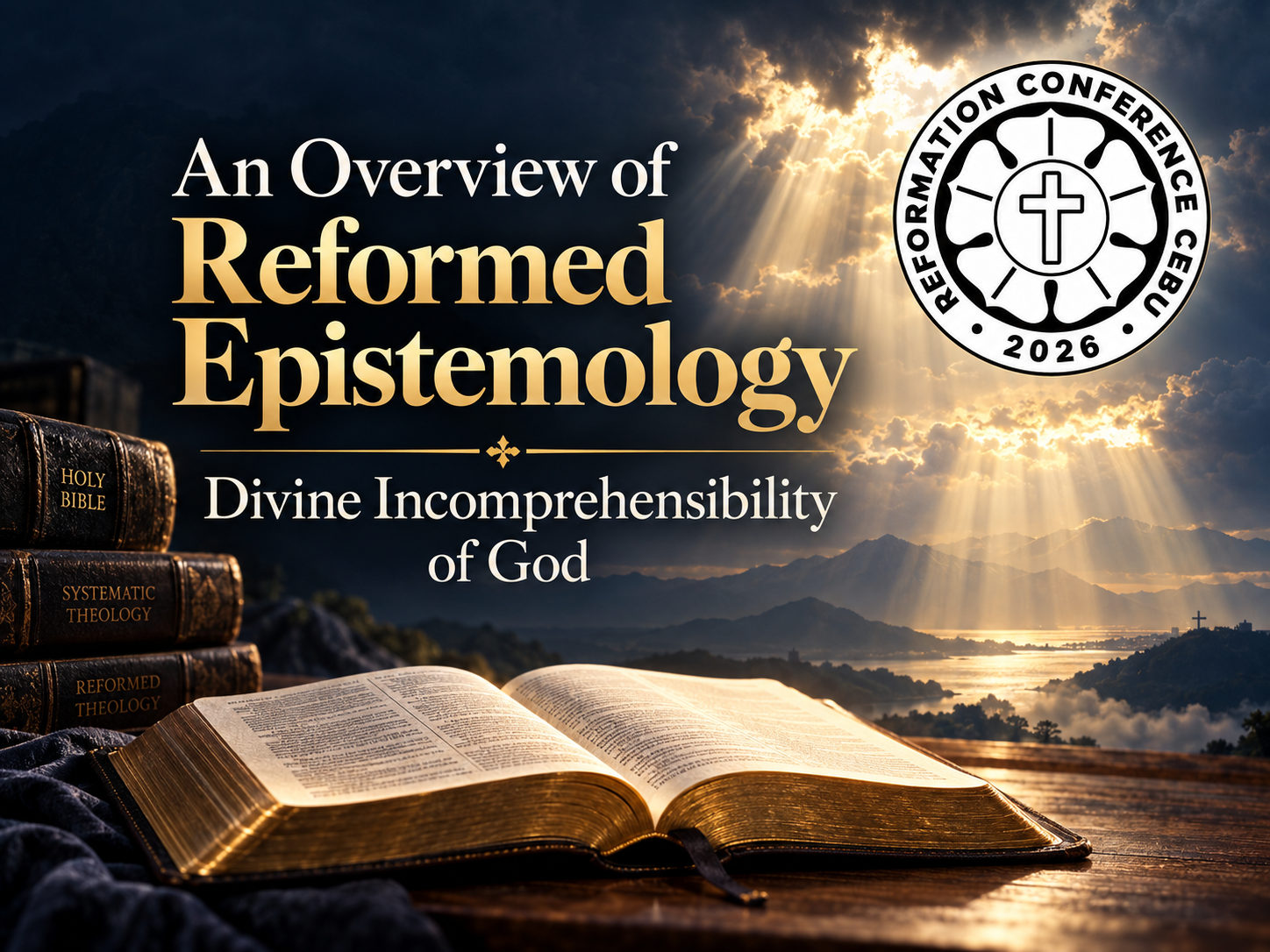
  • Reformed Epistemology: Divine Incomprehensibility of God (Breakout session overview)

    Reformed Epistemology: Divine Incomprehensibility of God (Breakout session overview)

    God is beyond our full comprehension because there is an infinite distinction between the Creator and His creation. God is infinite, while human beings are finite. We can truly know God as He reveals Himself, yet we can never fully comprehend His infinite essence. Our knowledge of God can therefore be true without being exhaustive. Reformed theology rejects both rationalism, which attempts to exhaustively explain God, and agnosticism, which denies that God can be truly known. If God is incomprehensible in His essence, in what sense can our knowledge of Him be true and certain? How does distinguishing between knowing and comprehending God shape the limits of theological knowledge?

    God graciously makes Himself known to humanity. He places a natural awareness of Himself within every human heart and displays His power and glory through creation. Yet sin has distorted human understanding, so general revelation alone does not provide saving knowledge. We need Holy Scripture, which, borrowing John Calvin’s well-known analogy, functions like spectacles that enable us to see more clearly the God who has already made Himself known through creation. God accommodates Himself to our limited understanding, communicating in ways we can comprehend. Through the Holy Spirit, our hearts and minds are enabled to understand, receive, and believe Scripture, which ultimately points us to Jesus Christ, the Redeemer. How does divine accommodation demonstrate God’s condescension without diminishing His transcendence? Why is special revelation necessary if humanity already encounters God through creation? What role does the Holy Spirit play in enabling us to understand, receive, and believe Scripture unto salvation?

    Our proper response to knowing God is humility and loving faith. When we encounter God’s holiness, we recognize our sinfulness and spiritual poverty. True faith is therefore more than intellectual knowledge or religious ritual; in Calvin’s language, it is pietas, a reverence for God joined with heartfelt love, trust, and devotion. Recognizing our helplessness destroys pride and self-reliance and leads us to trust completely in the grace of Christ. Why should genuine knowledge of God produce humility rather than merely intellectual knowledge? How does human sinfulness affect our ability to know God apart from grace? If salvation depends entirely upon God’s grace, what grounds remain for human boasting? Finally, how should knowing God’s holiness, grace, and self-revelation transform the believer’s worship, faith, and obedience?

    ———————————————————————————————————

    The divine incomprehensibility of God is not merely a theological truth to be understood; it should shape the way we approach God, His Word, and the whole task of theology. We cannot comprehend God exhaustively, yet we can know Him truly because He has graciously made Himself known. If this overview has awakened in you a desire to understand more deeply how finite human beings can truly know the infinite God, continue the journey with us at Reformation Conference Cebu 2026.

    When selecting your breakout session, choose: REFORMED EPISTEMOLOGY: DIVINE INCOMPREHENSIBILITY OF GOD

    Explore the biblical and Reformed teaching concerning how finite human beings can truly know the infinite God while never comprehending Him exhaustively. Discover how the Creator-creature distinction, divine revelation, accommodation, human sinfulness, and the illuminating work of the Holy Spirit shape our knowledge of God—and how these truths should lead us toward greater humility, faith, worship, and obedience.

    Continue the Journey at Reformation Conference Cebu 2026

    𝐁𝐄𝐇𝐎𝐋𝐃 𝐎𝐔𝐑 𝐆𝐎𝐃 𝟐𝟎𝟐𝟔

    October 21–23, 2026

    Hosted by Bradford United Church of Christ, Inc.

    𝗥𝗘𝗚𝗜𝗦𝗧𝗘𝗥 𝗛𝗘𝗥𝗘:
    https://forms.gle/fzGFvqpBn2ceztfs9

    𝗥𝗘𝗚𝗨𝗟𝗔𝗥 𝗥𝗔𝗧𝗘:
    Php 1,000.00
    September 1–October 15

    Registration is inclusive of the conference kit only. Food and accommodation are not included.

    Come and behold the glory of the infinite and incomprehensible God who graciously makes Himself known through His creation, His Word, and supremely through His Son, Jesus Christ.

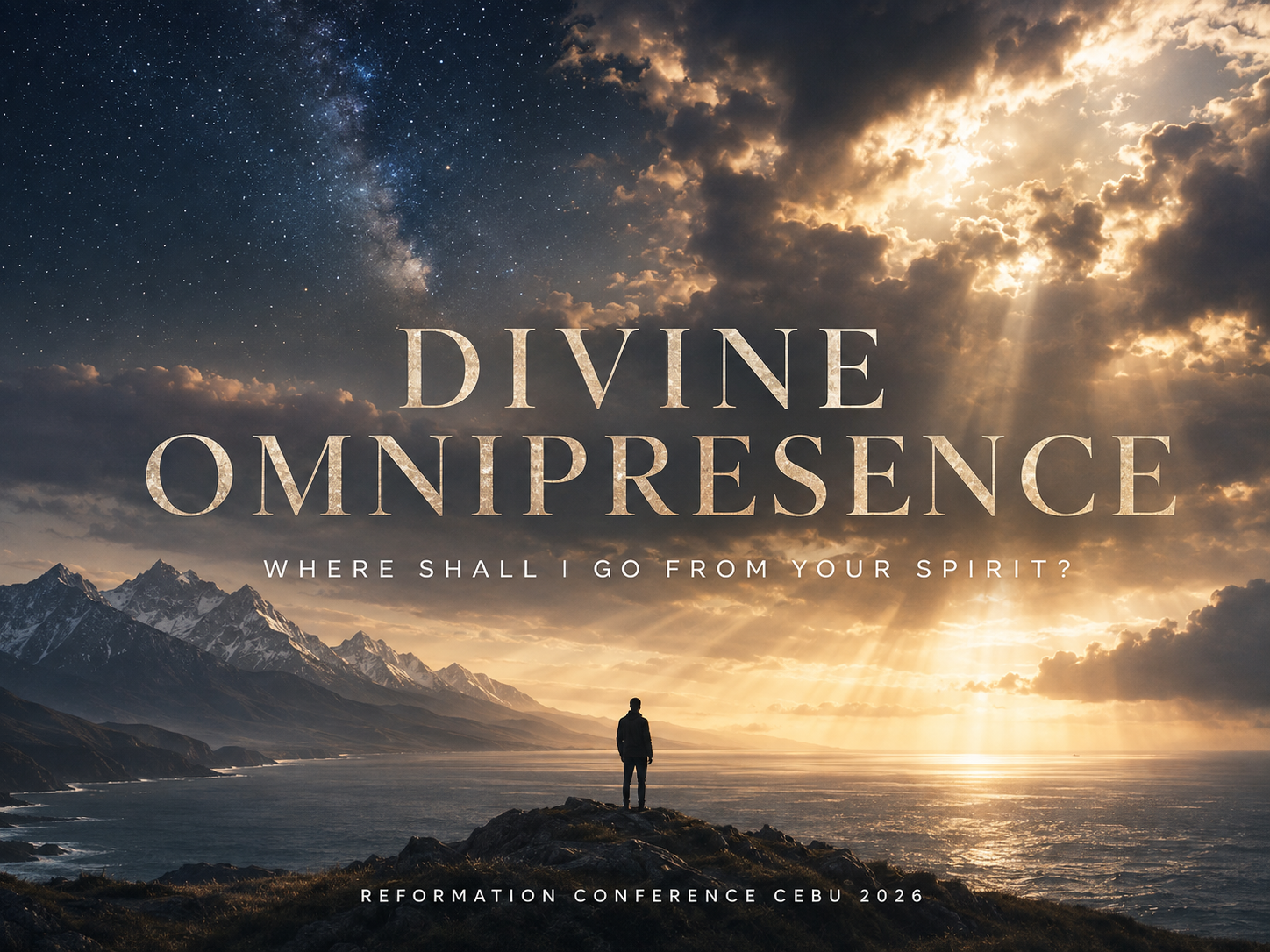
  • DIVINE OMNIPRESENCE  – Breakout Session Overview

    DIVINE OMNIPRESENCE – Breakout Session Overview

    The omnipresence of God refers not only to his presence everywhere but also to his infinite and powerful influence over all things in all places. All things in heaven and on earth are subject to him by his power, since he providentially sustains all things. Likewise, such subjection manifests itself in the fact that God knows all things, implying his presence in all places. As Charnock says, “His power reaches all, and his knowledge pierces all.” 

    In the Bible, the doctrine of God’s creation does not mean simply that God made the earth out of nothing but also that he preserves the earth according to his wisdom and power and goodness. To preserve all things according to all his perfections, he must be present everywhere. In sustaining all creatures, he cares for each as if he or she were the only one. Just as all times are a moment in relation to his eternity, all people and places are a point in relation to his being because of his omnipresence. 

    This breakout session explores the biblical and Reformed doctrine of divine omnipresence—the truth that God is present everywhere in His entire being, yet remains distinct from creation. The session is grounded in Psalm 139:7–12, where the psalmist confesses that no place in heaven, on earth, or in the grave lies beyond God’s presence, knowledge, or power.

    The teaching begins with a clear definition of omnipresence from a Reformed perspective. God is not a physical substance spread throughout the universe. He is spirit, infinite, and not limited by space. He is fully present in every place without being contained by that place or divided into parts. At the same time, God is not identical with the universe. Pantheism, which treats God and creation as the same reality, is rejected. Scripture clearly distinguishes between the Creator and His creatures.

    The session examines key biblical texts such as Jeremiah 23:23–24, Acts 17:24–28, and Colossians 1:15–17. These passages show that God fills heaven and earth, sustains all life, and governs all things according to His sovereign will. Colossians 1:15–17 further teaches that all things were created through Christ and are held together in Him. The Westminster Confession of Faith (2.1; 5.1) and the Heidelberg Catechism (Questions 27–28) are used to clarify how God’s omnipresence relates to His spirituality, infinity, and providence.

    A central theme of the session is the distinction between God’s universal presence and His special covenant presence. God is present to all creation as Creator and Sustainer, but He is present to His people in a unique way—as Redeemer, Father, and covenant Lord. This does not mean that God is spatially nearer to His people, but that He is present with them in a special covenantal and gracious way. This distinction guards against both deism, which places God at a distance, and pantheism, which identifies God with creation.

    The session also addresses the practical significance of omnipresence for Christian living. God’s presence exposes secret sin and calls believers to honest repentance. It reminds us that every area of life is lived coram Deo—before the face of God. It comforts those who suffer, strengthens prayer, shapes worship, and encourages the church in its mission.

    Participants will engage in discussion questions that connect doctrine to pastoral ministry, personal holiness, and evangelism. The goal is not merely to understand a theological concept but to live in the light of God’s presence with reverence, humility, and confidence in Christ.

    This session is designed for pastors, Bible teachers, and lay leaders who desire a clear, biblical, and Reformed understanding of divine omnipresence and its application to the life of the church.


    Source:

    Mark Jones, God Is: A Devotional Guide to the Attributes of God, Kindle locations 1016–1020.

    Mark Jones, God Is: A Devotional Guide to the Attributes of God (Crossway), Kindle locations 1021–1024.

    ____________________________________________________________________________

    The doctrine of divine omnipresence is not merely a truth to be understood, it is a reality in which every moment of our lives is lived. If this overview has awakened in you a desire to understand more deeply what it means to live coram Deo, before the face of the God who is always present, continue the journey with us at Reformation Conference Cebu 2026.

    When selecting your breakout session, choose:DIVINE OMNIPRESENCE

    Explore the biblical and Reformed teaching that God is wholly present everywhere, yet remains distinct from His creation and discover how this glorious truth shapes our repentance, prayer, worship, suffering, ministry, and daily Christian living.

    Continue the Journey at Reformation Conference Cebu 2026

    𝐁𝐄𝐇𝐎𝐋𝐃 𝐎𝐔𝐑 𝐆𝐎𝐃 𝟐𝟎𝟐𝟔

    October 21–23, 2026

    Hosted by Bradford United Church of Christ, Inc.

    𝗥𝗘𝗚𝗜𝗦𝗧𝗘𝗥 𝗛𝗘𝗥𝗘:
    https://forms.gle/fzGFvqpBn2ceztfs9

    𝗘𝗔𝗥𝗟𝗬 𝗕𝗜𝗥𝗗 𝗥𝗔𝗧𝗘:
    Php 700.00
    June 30–August 31

    𝗥𝗘𝗚𝗨𝗟𝗔𝗥 𝗥𝗔𝗧𝗘:
    Php 1,000.00
    September 1–October 15

    Registration is inclusive of the conference kit only. Food and accommodation are not included.

    Come and behold the glory of our ever-present God through the faithful proclamation of His Word, Christ-centered worship, and fellowship with His Church.